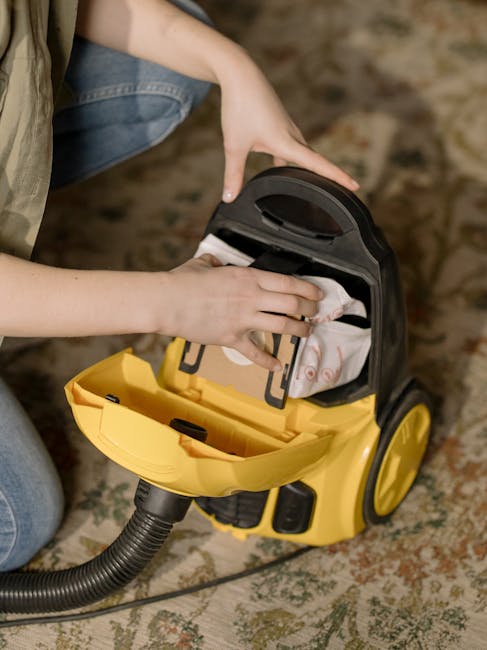
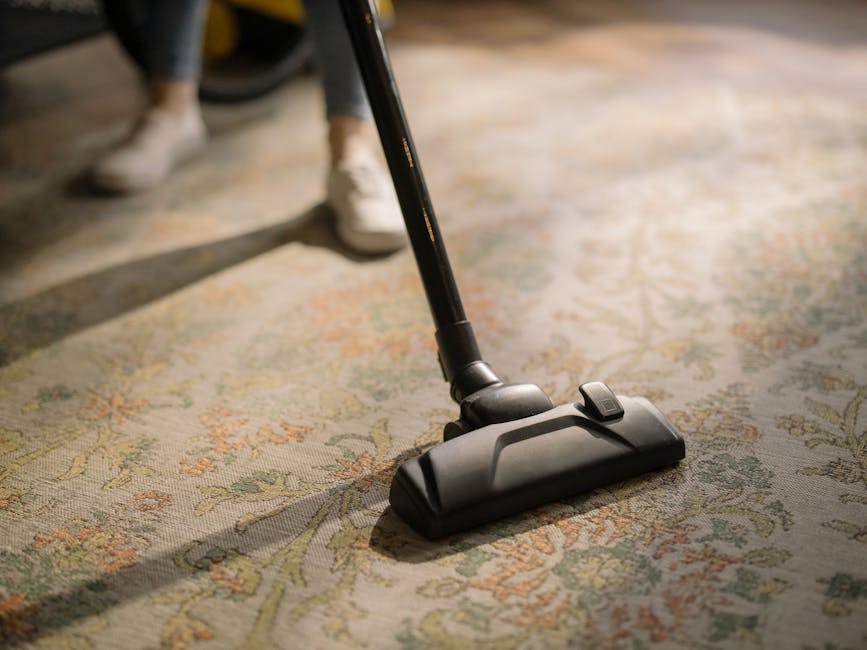
Carpet cleaners for Abbey Wood station homes pricing guide
If you live near Abbey Wood station, you already know how quickly everyday life can leave carpets looking tired. Mud from the commute, damp shoes on wet mornings, pet traffic, high-traffic hallways, and the odd tea spill all add up. This Carpet cleaners for Abbey Wood station homes pricing guide breaks down what affects cost, what a proper clean should include, and how to compare options without getting caught out by vague quotes or surprise extras. Truth be told, pricing can be simple once you know what matters.
In the sections below, you'll get a clear explanation of local carpet cleaning prices, the difference between cleaning methods, where the real value sits, and how to choose a service that suits a flat, terrace, new-build, or family home around Abbey Wood station. You'll also find a practical checklist, a comparison table, and a few tips that can save you money without cutting corners.
Table of Contents
- Why Carpet cleaners for Abbey Wood station homes pricing guide Matters
- How Carpet cleaners for Abbey Wood station homes pricing guide Works
- Key Benefits and Practical Advantages
- Who This Is For and When It Makes Sense
- Step-by-Step Guidance
- Expert Tips for Better Results
- Common Mistakes to Avoid
- Tools, Resources and Recommendations
- Law, Compliance, Standards, or Best Practice
- Options, Methods, or Comparison Table
- Case Study or Real-World Example
- Practical Checklist
- Conclusion
- Frequently Asked Questions
Why Carpet cleaners for Abbey Wood station homes pricing guide Matters
Carpet cleaning is one of those household jobs that feels straightforward until you start comparing prices. One quote includes stain treatment, another charges separately for it. One cleaner prices per room, another per square metre, and a third adds a minimum visit fee that makes a small job look oddly expensive. That's why a pricing guide matters: it helps you compare like with like.
For homes near Abbey Wood station, there's another layer. Commuter footfall can mean heavier wear in entryways and through lounges. Family homes often have more food spills and ground-in dust. Flats can have compact rooms but awkward access, tight parking, or shared stairwells. All of that can influence how long the job takes and, yes, the price.
A solid understanding of pricing also helps you avoid the classic trap: choosing the cheapest quote and then paying extra for the things you assumed were included. Let's face it, that's how a "bargain" turns into a mildly annoying afternoon.
To get a better sense of wider service expectations, it can help to review a company's pricing and quotes approach alongside its core carpet cleaning service. You're not just buying a clean floor. You're buying time, reliability, and a result that lasts longer than a quick vacuum.
How Carpet cleaners for Abbey Wood station homes pricing guide Works
Most residential carpet cleaning prices are built from a handful of factors. The cleaner looks at the size of the space, the level of soiling, the method required, access conditions, and any special treatment needs. In practical terms, that means a small bedroom in decent condition will usually cost less than a heavily used living room with pet odours and old stains.
Here's the basic shape of how pricing is usually worked out:
- Assessment of the area - number of rooms, stairs, hallways, or open-plan spaces.
- Condition check - light dusting versus embedded dirt, staining, or allergen build-up.
- Method selection - hot water extraction, steam-based cleaning, or a more targeted stain treatment approach.
- Access and logistics - parking, floor level, narrow entrances, lift use, or time restrictions.
- Quote preparation - a fixed price or a range, ideally with any add-ons explained.
For many homes, the biggest cost variable is not the carpet itself but the time and attention needed to bring it back properly. A professional clean should usually include pre-inspection, spot treatment where suitable, the actual clean, and guidance on drying times. If a quote sounds very low, ask what is excluded. Not awkwardly. Just clearly.
If you're exploring method differences, the page on steam carpet cleaning can help you understand why some fibres and stain types respond better to one approach than another. That detail matters, because the wrong method can leave carpets too wet, too glossy, or not clean enough. None of which is ideal, obviously.
Key Benefits and Practical Advantages
There's more to carpet cleaning than making a room look tidy for a day or two. The right service can improve the feel of your home, remove built-up grime, and help carpets last longer. A properly cleaned carpet usually looks brighter, smells fresher, and feels less gritty underfoot. Simple things, but they change how a home feels.
- Better value over time - regular cleaning can delay the need for early carpet replacement.
- Improved appearance - high-traffic lanes and dull patches often respond well to professional treatment.
- Cleaner indoor environment - carpets can hold dust, crumbs, pet hair, and everyday debris.
- More accurate budgeting - a pricing guide helps you plan instead of guessing.
- Fewer surprises - you can compare service scopes before booking.
There's also peace of mind. A cleaner who explains pricing clearly is usually a cleaner who works clearly. That doesn't guarantee perfection, but it's a good sign.
Homes with sofas, rugs, or mattresses needing attention may benefit from a combined visit. In that case, related services like sofa cleaning, rug cleaning, or mattress cleaning can sometimes be scheduled together more efficiently than as separate jobs. That can make the whole visit feel less disruptive, too.
Who This Is For and When It Makes Sense
This pricing guide is useful if you live in a one-bedroom flat, a family house, a rental property, or an owner-occupied home near Abbey Wood station. It is especially helpful if any of the following sound familiar:
- Your carpet has heavy foot traffic in the hallway or living room.
- You're dealing with pet odour, drink spills, or old marks that a vacuum won't touch.
- You're moving in or moving out and want the place to feel properly refreshed.
- You haven't had a professional clean for a year or more.
- You're comparing fixed-price offers and need to know what a fair quote looks like.
It also makes sense for landlords and letting agents who want a clear, defensible way to compare cleaning costs before deciding. And if you're simply a homeowner who wants the place to smell nicer on a grey Tuesday morning, fair enough. That counts too.
In some cases, carpet cleaning is only part of the picture. Stains on the arms of a chair, damp curtains, or an old mattress can change how clean a room feels overall. That's where upholstery cleaning and curtain cleaning become worth considering, especially if you're aiming for a more complete refresh rather than a single-room touch-up.
Step-by-Step Guidance
If you want the best result for the right price, follow a simple process. It keeps the booking sensible and makes the quote easier to judge.
- Measure the spaces you want cleaned
Note the room sizes, number of rooms, stairs, landing areas, and any awkward corners. Even a rough count helps. - Identify problem areas
Look for stains, odours, pet marks, flattened traffic lanes, or spill spots. Be honest about the condition. That saves time later. - Decide what level of clean you need
Sometimes a standard clean is enough. Other times, you may need targeted stain removal or a deeper treatment. - Ask what is included
Check whether pre-treatment, deodorising, moving light furniture, or drying advice are part of the price. - Compare at least two quotes
Not just by price. Compare the scope, method, and any extras. A cheaper quote that excludes key work may not be cheaper at all. - Check practical details
Parking, access, arrival window, and expected drying time can all affect the day of the visit. - Book and prepare the rooms
Pick up small items, clear fragile objects, and vacuum if asked. That helps the cleaner get straight to work.
A small bit of prep goes a long way. You know that moment when the cleaner arrives and someone's still moving laundry baskets out of the way? It happens. But the smoother the room is, the better the pace and, often, the better the value.
Expert Tips for Better Results
Here are the practical details that make a noticeable difference, especially in homes near a busy station where wear patterns can be uneven.
- Ask about fibre type - wool, synthetic, and blended carpets behave differently under moisture and heat.
- Be specific about stains - tea, wine, mud, pet accidents, and food grease often need different treatment.
- Don't flood the cleaner with guesses - if you're unsure what a stain is, say so. A good cleaner can still assess it properly.
- Allow real drying time - walking on carpets too early can flatten fibres and bring dirt back up.
- Use a repeat pattern for busy rooms - a hallway and lounge that take daily traffic may benefit from more frequent cleaning than spare rooms.
Another tip: ask for a clear explanation of whether the service is hot water extraction, dry cleaning, or a hybrid approach. Different methods suit different situations. If the room is compact and used daily, drying speed may matter more than you first think. The smell of damp carpet lingering at 9 p.m. is nobody's favourite thing.
For stubborn marks, a specialist stain removal service can be worth discussing before you accept a standard clean. Likewise, if pets are part of the household, pet stain odour removal is often the difference between "looks okay" and "actually feels fresh".
Common Mistakes to Avoid
Most bad carpet-cleaning experiences are avoidable. The mistake usually isn't the clean itself; it's the booking decisions made before the cleaner arrives.
- Choosing on price alone - the cheapest quote can hide exclusions or a lighter service level.
- Not mentioning stains in advance - this is how call-out surprises happen.
- Ignoring access issues - parking or stair access can affect timing and price.
- Expecting miracle results on every mark - some stains are stubborn, especially if they've set for months.
- Booking at the last minute - you may pay more for urgency or have fewer options.
- Skipping aftercare - carpets need time and sensible ventilation after cleaning.
To be fair, people often underestimate how much a carpet has taken on over the years. Dust, soil, oils from shoes, food particles - all of it settles in. A quick surface refresh is one thing. A proper reset is another.
Tools, Resources and Recommendations
You do not need a toolbox full of specialist gear to make a booking go well. A little household preparation and a few sensible questions are usually enough.
Useful things to have ready:
- a rough list of rooms to be cleaned
- notes on any stains, smells, or heavy wear zones
- access details if parking or entry is tricky
- questions about drying time, furniture moving, and included treatment
- a backup plan for pets, prams, or children during the visit
From a service perspective, it can also help to review pages that explain the business side of the booking. For example, payment and security information can reduce uncertainty before you commit, while terms and conditions set out the practical rules of the job. If you're comparing providers, the cleaner's insurance and safety information is also worth checking. Honestly, this is the unglamorous bit - but it matters.
You can also review the company's about us page to get a feel for its approach, or its contact options if you want to ask a few quick pre-booking questions. The more direct the answers, the better.
Law, Compliance, Standards, or Best Practice
For domestic carpet cleaning in the UK, most of the practical concern is not heavy regulation but sensible best practice: clear pricing, safe working, appropriate products, and honest descriptions of what is and is not included. That said, there are still important expectations around consumer fairness, workplace safety, and handling your home responsibly.
A trustworthy cleaner should be clear about:
- what the quote covers
- how stains will be assessed
- whether special treatments cost extra
- how chemicals are used and ventilated
- what happens if access is limited or the room conditions change
If you live in a rental property, it is also wise to check your tenancy terms before booking additional treatments. A professional clean is often helpful before end-of-tenancy inspections, but the scope should still match the actual condition of the flooring and furnishings.
Best practice also includes sensible health and safety habits. Floors should not be left slippery, hoses should be managed carefully, and products should be used according to the carpet type. A cleaner with a clear health and safety policy is usually showing that these basics are taken seriously. Not flashy, but reassuring.
Options, Methods, or Comparison Table
The right cleaning method depends on the carpet, the mess, and how quickly you need the room back. Here's a simple comparison to help you think it through.
| Method | Best for | Typical advantages | Things to watch |
|---|---|---|---|
| Hot water extraction | Most domestic carpets with general soiling | Deep clean, good for embedded dirt | May need longer drying time |
| Steam-style carpet cleaning | Busy rooms and refreshes | Strong cleaning action, effective on grime | Not ideal for every fibre if over-wet |
| Targeted stain treatment | Spots, spills, and set marks | Focused approach, often used with a main clean | Some stains may only fade, not disappear |
| Upholstery add-on | Sofas and chairs alongside carpet jobs | Improves whole-room freshness | Can increase total cost |
| Commercial-style service | Lets, offices, or high-traffic shared spaces | Suited to larger or busier areas | May be more than a home needs |
If your home includes a mixture of floors and furniture, the broader cleaning picture may be more cost-effective. A carpet clean on its own is useful. But a room with a grubby rug and a tired armchair can still feel unfinished. Sometimes that's the difference between "cleaned" and "properly refreshed".
Case Study or Real-World Example
Imagine a two-bedroom flat near Abbey Wood station with a small hallway, a lounge, and two bedrooms. The hallway sees daily use, the lounge has a couple of coffee spills, and one bedroom has a mild pet smell from an older rug. Nothing dramatic. Just normal life, really.
The first quote the homeowner gets is cheap but vague. It covers "general cleaning" only and excludes stain treatment. The second quote is a bit higher, but it includes pre-treatment, spot work on visible marks, and a clearer drying estimate. The homeowner also asks whether the cleaner can assess the rug separately and whether a sofa touch-up would be cheaper as part of the same visit.
By comparing the job properly, the homeowner chooses the second option. The final result is not magic. The older coffee mark is lighter, the hallway looks brighter, and the pet smell is reduced enough to make the flat feel much fresher. That's the kind of outcome most people are after. Not perfection. Just a noticeable, honest improvement.
If the same home had heavier fabric wear, the cleaner might recommend a combined approach with upholstery cleaning or a deeper clean for specific problem areas. The point is not to buy everything. It's to buy the right things in the right order.
Practical Checklist
Before you book, run through this quick list. It takes two minutes and can save a lot of back-and-forth later.
- Have I counted the rooms or areas that need cleaning?
- Have I noted any stains, smells, or pet-related issues?
- Do I know whether the quote is fixed or estimated?
- Have I asked what is included in the price?
- Do I understand the expected drying time?
- Have I checked whether access or parking could affect the visit?
- Do I need add-ons such as stain treatment or upholstery cleaning?
- Have I reviewed payment details and any relevant terms?
- Am I clear on preparation steps before the cleaner arrives?
- Have I compared value, not just the cheapest figure?
Small checklist, big difference. It sounds almost too simple, but that's usually where the best household decisions start.
Conclusion
Finding the right carpet cleaner near Abbey Wood station is mostly about understanding value, not chasing the lowest number. Once you know what affects price - room size, carpet condition, stain level, access, and method - the whole process becomes much less stressful. You can compare quotes with a calmer head and book a service that genuinely fits your home.
If you take one thing from this guide, let it be this: a good carpet clean should be clear, proportionate, and tailored to the way your home is actually used. That's what protects your budget and gives you better results in the long run. And honestly, a fresher floor just makes the whole place breathe a bit easier.
Get a free quote today and see how much you can save.
When the carpets are clean, the room feels lighter. It's a small change, but sometimes that's exactly the one you need.
Frequently Asked Questions
How much do carpet cleaners for Abbey Wood station homes usually cost?
Prices vary by room size, condition, method, and access. A small, lightly soiled room will normally cost less than a large lounge with stains or pet odour. The best approach is to ask for a written or clearly explained quote so you can compare what is actually included.
What affects carpet cleaning prices the most?
The main factors are carpet size, level of dirt, stain treatment, carpet fibre type, and any access issues. Parking, stairs, and the need for specialist treatments can also push the price up a little.
Is steam carpet cleaning worth paying extra for?
Often, yes, if the carpet needs a deeper clean and the fibre type is suitable. Steam-style cleaning can be effective on embedded grime, but it may not be the best choice for every carpet or every drying-time need.
Do stain treatments cost extra?
They often do, depending on the cleaner and the type of stain. Some quotes include light spot treatment, while tougher marks may be priced separately. Always ask before booking, especially if you already know where the problem areas are.
How long does carpet cleaning take in a typical home?
It depends on how many rooms are being cleaned and how heavily used they are. A small job can be fairly quick, while a full house with stains or add-ons will take longer. Drying time should also be factored in afterwards.
How long will the carpets take to dry?
Drying time varies with method, carpet thickness, ventilation, and weather. A room with open windows and good airflow will usually dry faster than one with limited ventilation. Ask for an estimate before the clean so you can plan your day.
Can I combine carpet cleaning with sofa or rug cleaning?
Yes, and that can be a sensible way to improve the whole room at once. Many people near Abbey Wood station choose to bundle in rug cleaning or sofa cleaning if the furniture is part of what makes the room feel tired.
Are cheaper carpet cleaners always worse?
Not always, but a very low price can mean less thorough preparation, fewer inclusions, or added fees later. The key is to compare the service scope, not just the headline number. Cheap can be fine. Vague is the problem.
Should I vacuum before the cleaner arrives?
Usually yes, unless you are told otherwise. A quick vacuum helps remove loose debris and allows the cleaner to focus on deeper soil and stains. It's one of those small things that makes the whole job flow better.
Is professional carpet cleaning safe for pets and children?
It can be, provided products are used properly and the room is allowed to dry and ventilate before regular use resumes. Ask about product use, drying advice, and whether any rooms should stay off-limits for a while.
Do I need to move furniture first?
Light items are often moved by the homeowner, while heavier furniture may need to stay in place or be handled under agreed terms. Clarify this in advance so there are no awkward surprises on the day. Nobody likes lifting a bookcase at the last minute.
Where can I check the company's policies before booking?
You can review its terms and conditions, privacy policy, payment and security, and insurance and safety information. If you want a direct conversation, the contact page is the practical next step.